Expert Strategies for Managing Clean Target Databases
Browse engines are the gateways to the wild and terrific world of sites. In between mega-giants that have turned their trademark name into a verb, to the little guys specialized in unusual languages, search engines can be found in all sizes and functions. If you're here, you're most likely curious about what other options there are, or maybe you're aiming to make a brand-new engine your go-to guy.
There are 3 procedures a search engine does to provide you results that finest match your question: Crawling is a process during which the search engine attempts to find brand-new websites (and their material) on the web via links. Here's a simplified breakdown of how it works: The procedure begins with a list of initial URLs (seeds) to go to.
It recognizes all hyperlinks on these pages. The crawler includes brand-new links to its list of URLs to visit. It stores and indexes the fetched material for search engines to analyze and retrieve. This process continues iteratively, allowing search engines to construct thorough indexes of web content. Indexing is a process of confirming and keeping the content from the websites in the online search engine's database, called the "Index".
Evaluating Manual Versus Programmatic Backlink WorkflowsBoth crawling and indexing are continuous procedures that take location over and over again to keep the database fresh and pertinent. Once the website is examined and saved in the index, it can be brought up as a search results page for a possible search query. The last step includes choosing the finest outcomes and developing a list of pages that will appear on the search engine result page (SERP).
Expert Strategies for Managing Clean URL Databases
, numerous of which are kept secret from the public to avoid control and to keep proprietary stability., specified: "We have over 200 signals to do so. With the basics down, it's time to go deeper into how ranking and search algorithms work, because it's a lot more complicated than searching through a library.
For instance, the Google algorithm utilizes dozens of elements (a lot of them are widely known, while a few of them are kept a secret) in numerous locations such as: First is comprehending what the user means by using the specific words they utilized, what the search intent is, and more. The algorithm determines how closely this page answers what was searched.
Is the quality of the info itself. The algorithms decide if webpages are an excellent source of details based on internal and external factors., security, and so on.
Technical Guidance for Optimizing Link Submission RatesScale Advanced SEO Building in 2026
Optimizing your site for pertinent search questions and enhancing the search existence of your brand name within Google Browse is a vital part of any online marketing technique, as it can drive more traffic to your web pages. The sum of all the practices and techniques the website owners do to enhance their search rankings is called Seo (SEO).
For keyword research study, link-building and rank tracking for traditional and AI online search engine, you can use and start with your SEO activities immediately. The primary concepts of SEO are lovely straightforward: Perform a keyword research study within your industry (to discover what search queries/keywords users in fact enter into the search engines) Develop a high-quality material on your website to please the search intent behind the questions and optimize your pages for those keywords.
Track and determine the performance of your ranking pages in the online search engine (and adjust the SEO strategy if needed. To find keywords for which you can optimize your website (and begin getting natural traffic from online search engine such as Google or Bing), you can use Mangools KWFinder a simple yet really efficient keyword research tool which will help you recognize keywords or perhaps long-tail search inquiries and concerns that individuals ask Google on an everyday basis.
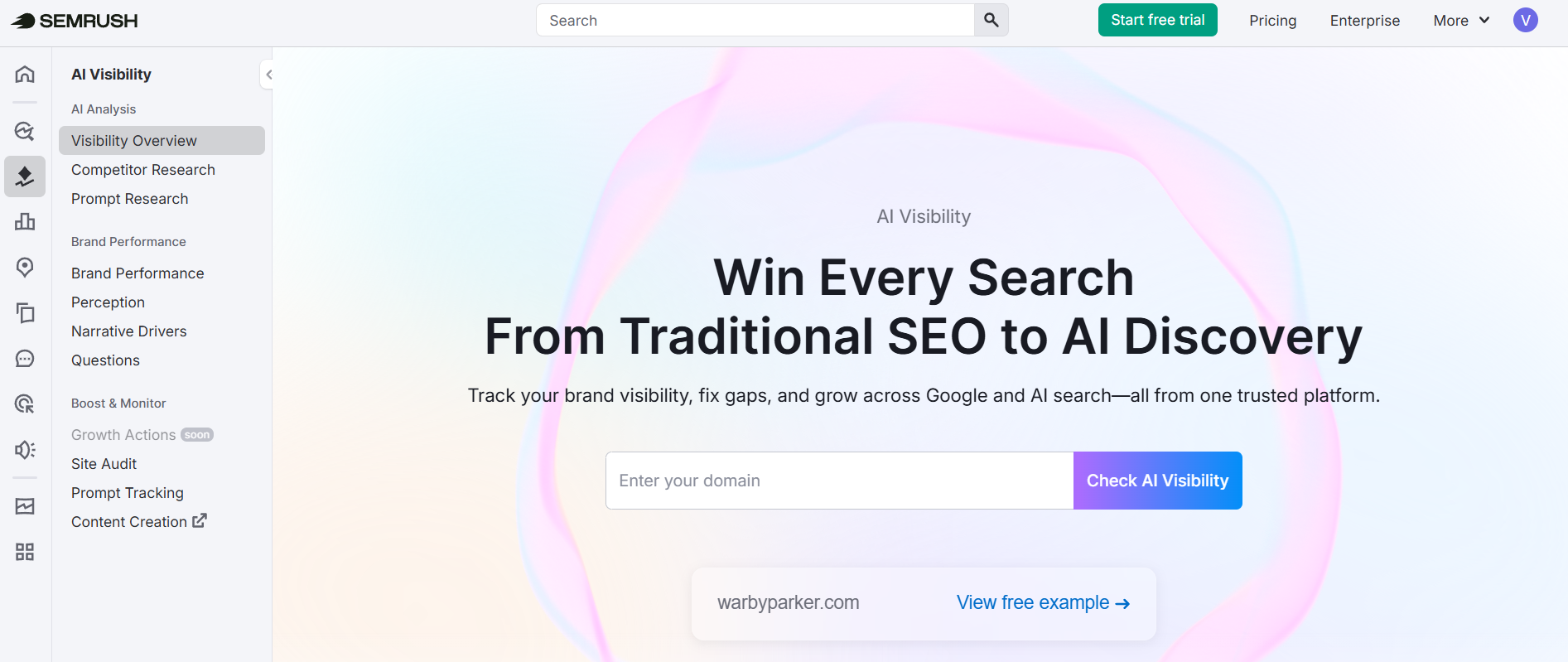
Traditional search engines, Mangools also offers an unique LLM rank tracker which helps you monitor your brand name and site presence in popular AI search engines such as ChatGPT, Gemini, Claude, Grok, and others. The tool is really simple to utilize: just produce your rank-tracking job, include a list of triggers that users might type into AI search engines (or select from the recommended ones), and you're all set! AI Search Watcher will then track and examine your existence across AI search engines and compare your brand name's performance with that of your rivals.